

Land Stewardship
And
Arboretum Initiatives
A Sanctuary for Special Tree Species
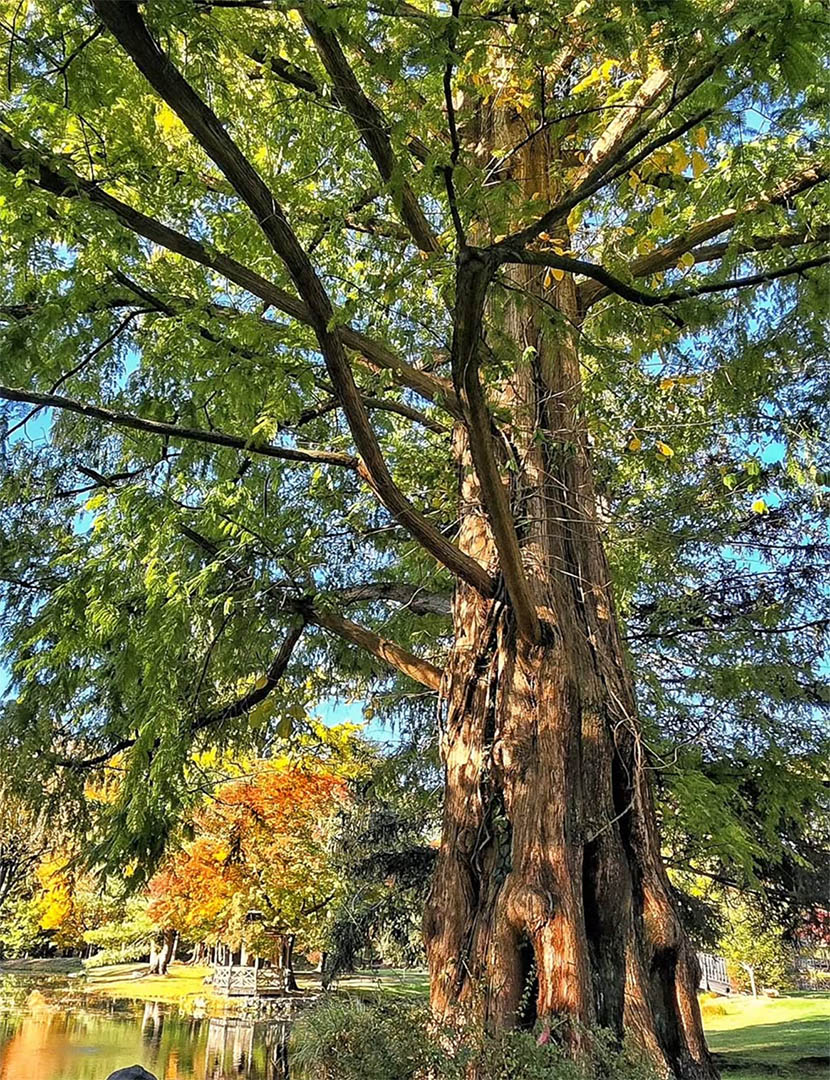
From vulnerable mature Dutch Elms and other Ulmus species, to beautifully symmetrical examples of pyramidal Dawn Redwoods, our estate is host to a surprising collection of trees. Here, they find a safe setting free from outside dangers and are regularly monitored and treated preventatively against disease.
Also dotted among the estate are young trees of interesting origin, started from seeds acquired from notable areas across the globe. Included among these is a Magnolia grandiflora of heritage from the garden of Palazzo Venizia in Rome, Italy and a Quercus ilex grown from the seed of a tree in the Boboli Gardens of Florence.
(Pictured: One our estate’s old-growth Dawn Redwood trees.)
Putting Down Roots
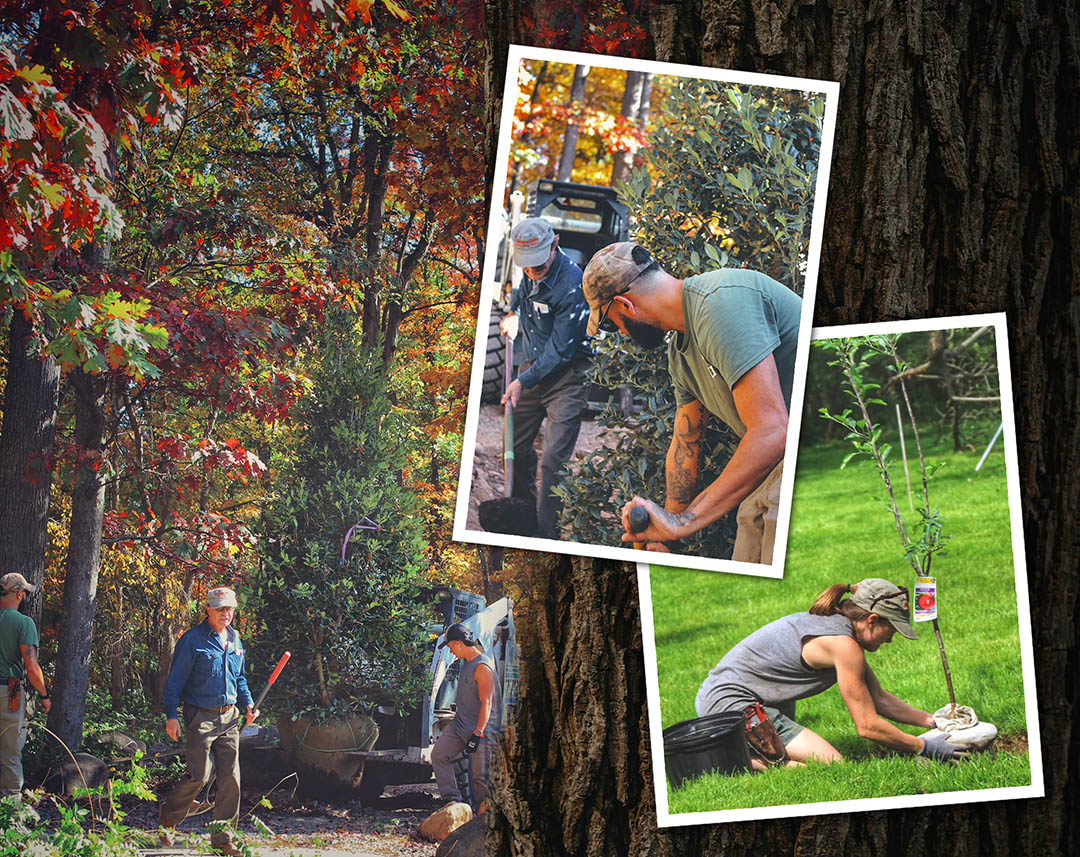
With a mission to both enhance the diversity of our woodlands and reintroduce native species of trees and shrubs that otherwise continue to diminish throughout the region, we have implemented, through our arboriculture program, an ongoing tree cultivation and planting project.
During our tenure, we have planted hundreds of trees throughout the estate, with an ambitious goal of ensuring a rich and diverse natural sanctuary for generations to come.
Collaborating With Experts
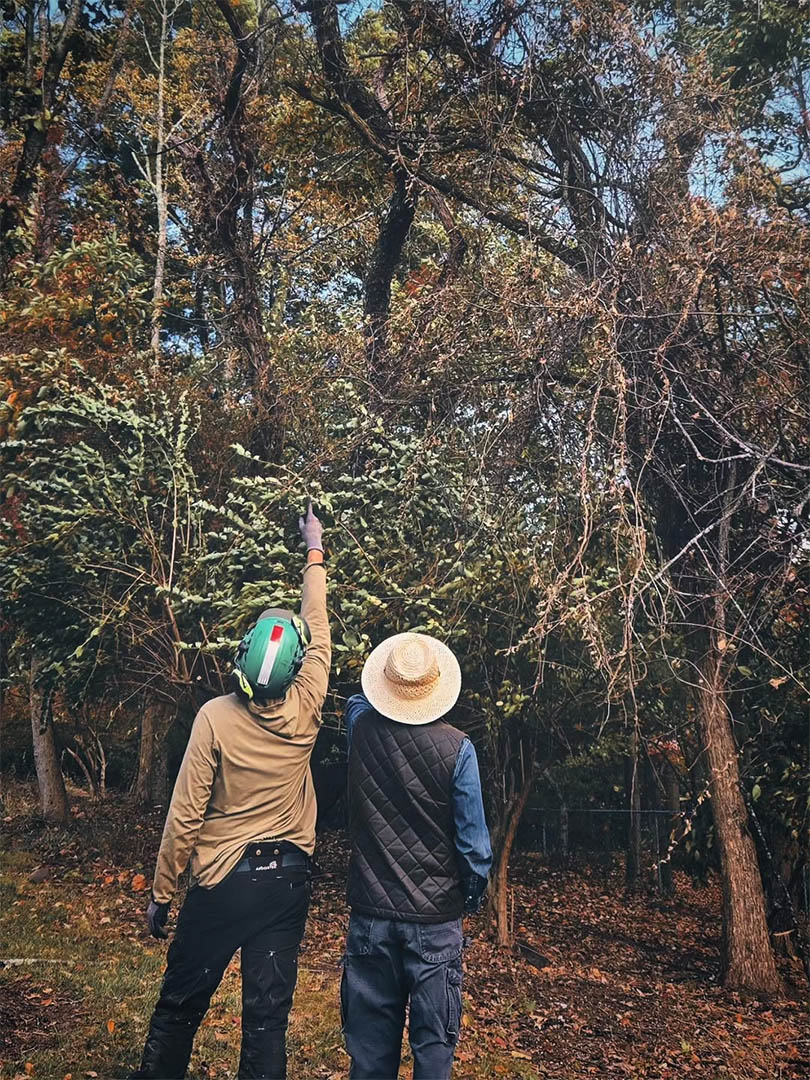
Through ongoing consultation with arborists, forest management agencies, tree care professionals, and other industry experts, we continue to expand our knowledge base. Through these partnerships, we’ve created a 10-year plan for our woodland management, and have undertaken numerous projects for the care, treatments, and preservation of our existing collection of old-growth trees.
Being Good Stewards Of The Land
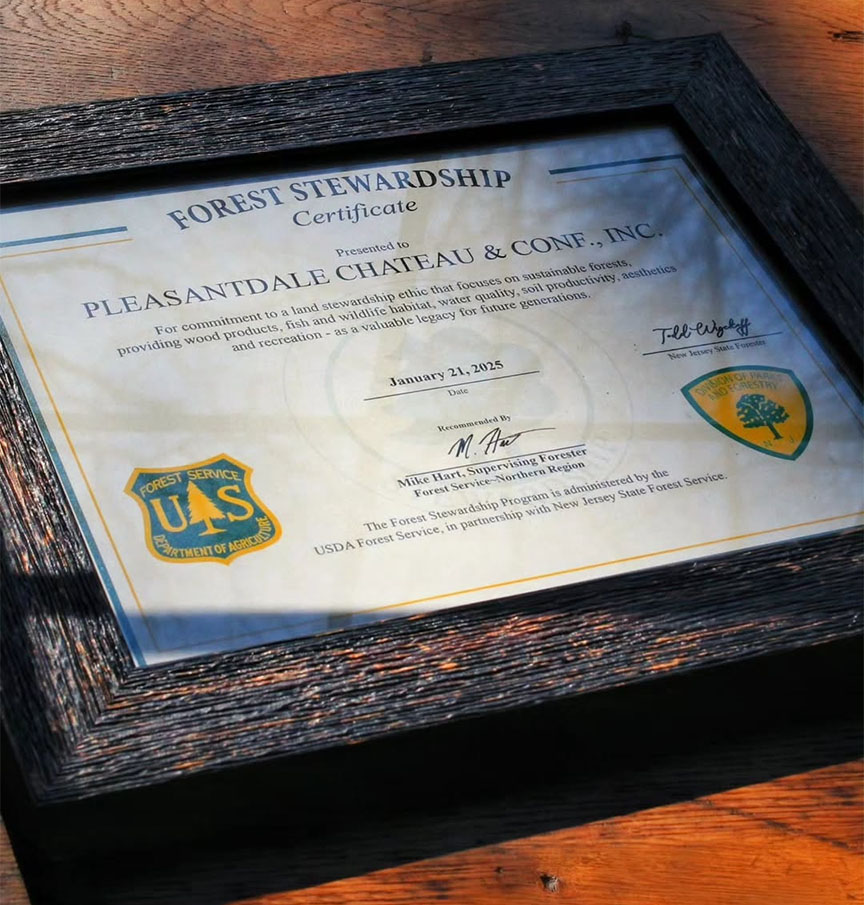
Having long been dedicated caretakers of our pristine natural surroundings, our estate is now also officially recognized as a Stewardship Forest by the United States Forest Service and the New Jersey Division of Forestry for having met specific criteria to establish, in their words, a “commitment to a land stewardship ethic that focuses on sustainable forests, providing wood products, fish and wildlife habitat, water quality, soil productivity, aesthetics and recreation — as a valuable legacy for future generations.
Our long term mission is to continue to responsibly manage our woodlands and further enhance the natural beauty of our historical estate.
The Seed Of An Idea
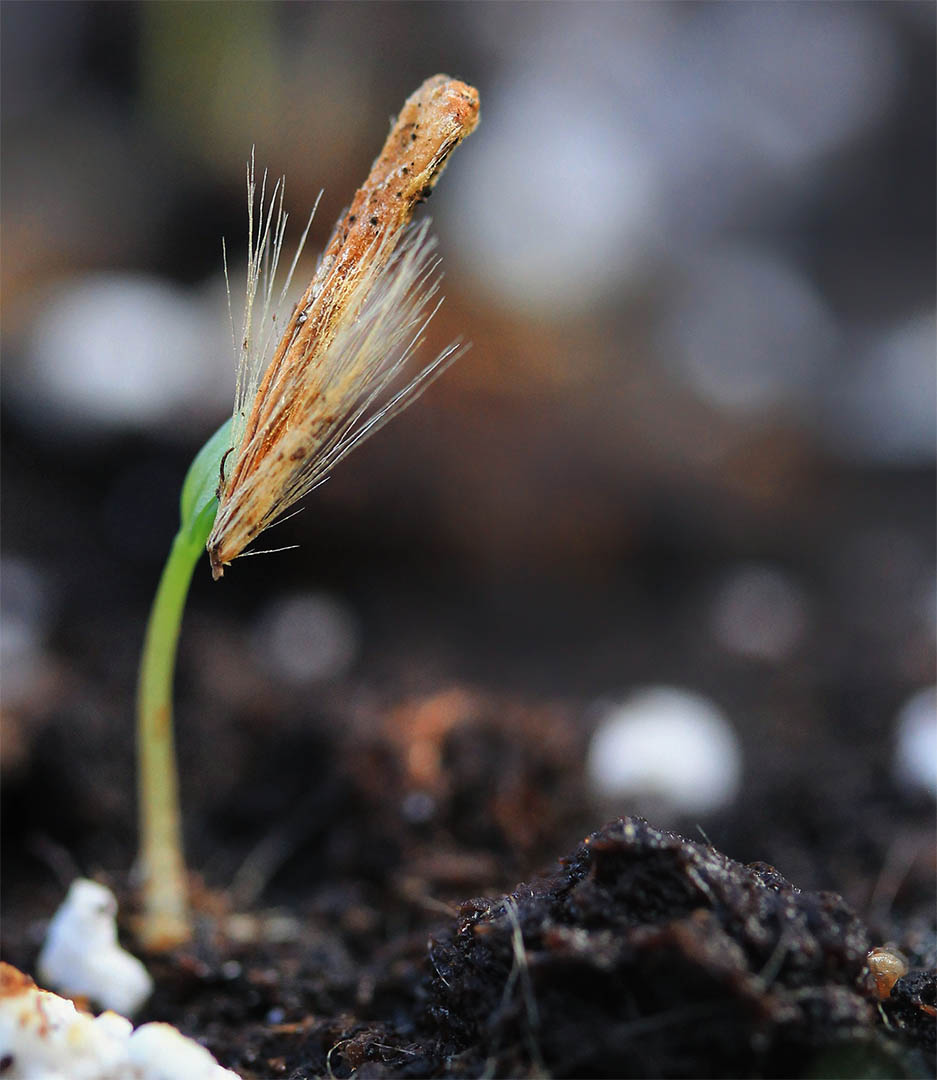
As the old aphorism reads, “From small acorns mighty oaks grow.” Though it’s a long investment of time and care, and we may not ourselves enjoy the shade of the trees that we start as seeds, part of our plant propagation efforts include the collection of nuts and seeds from “mother trees” on our estate.
This process not only helps to supplement the more established young trees that we plant, but helps aid in the future genetic consistency of many of our existing heritage species.
(Pictured: Sprout of a Sycamore seed collected on our estate.)
Aquatic Ecosystems
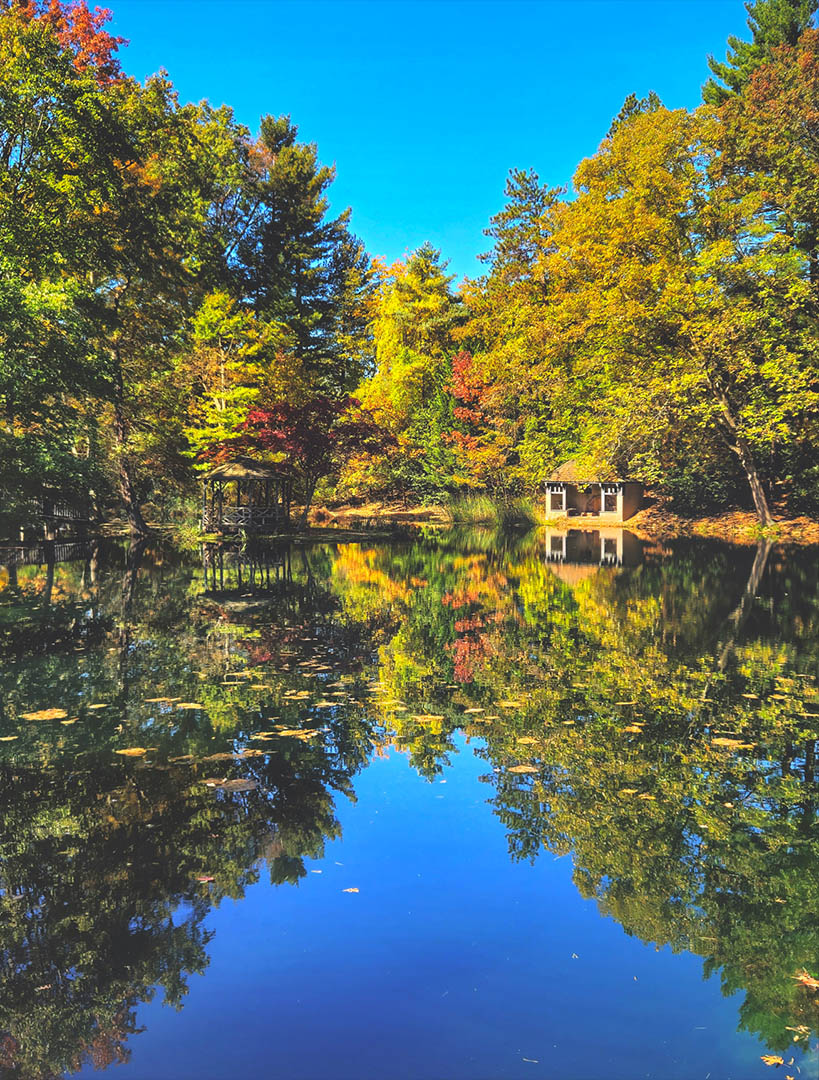
Not long after acquiring Pleasantdale Chateau, the Knowles family endeavored to have the estate’s series of ponds restored and enhanced by a team of specialists in water ecosystems.
Among those involved in the project was Urbani Fisheries, LLC, a Bozeman, Montana firm lead by fisheries biologist Joseph Urbani. Due to his breadth of experience in aquatic ecosystems, the Hollywood studio filming “A River Runs Through It” hired Urbani to instruct actor Brad Pitt and the rest of the cast in the proper care for the fish and habitat used in the production.
Urbani’s depth of knowledge proved just as significant to successfully restoring our streams, ponds, and surrounding habitat as well, creating a healthy spawning area for fish and other aquatic life.
Restored Riparian Zones
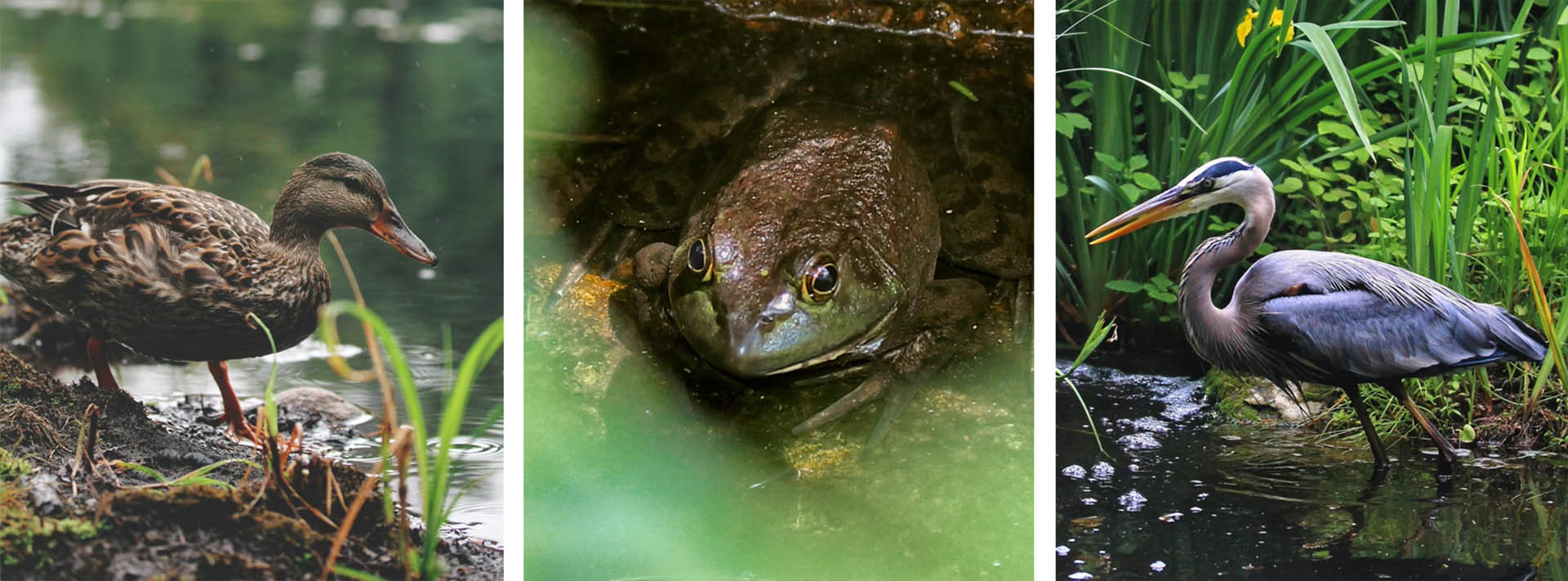
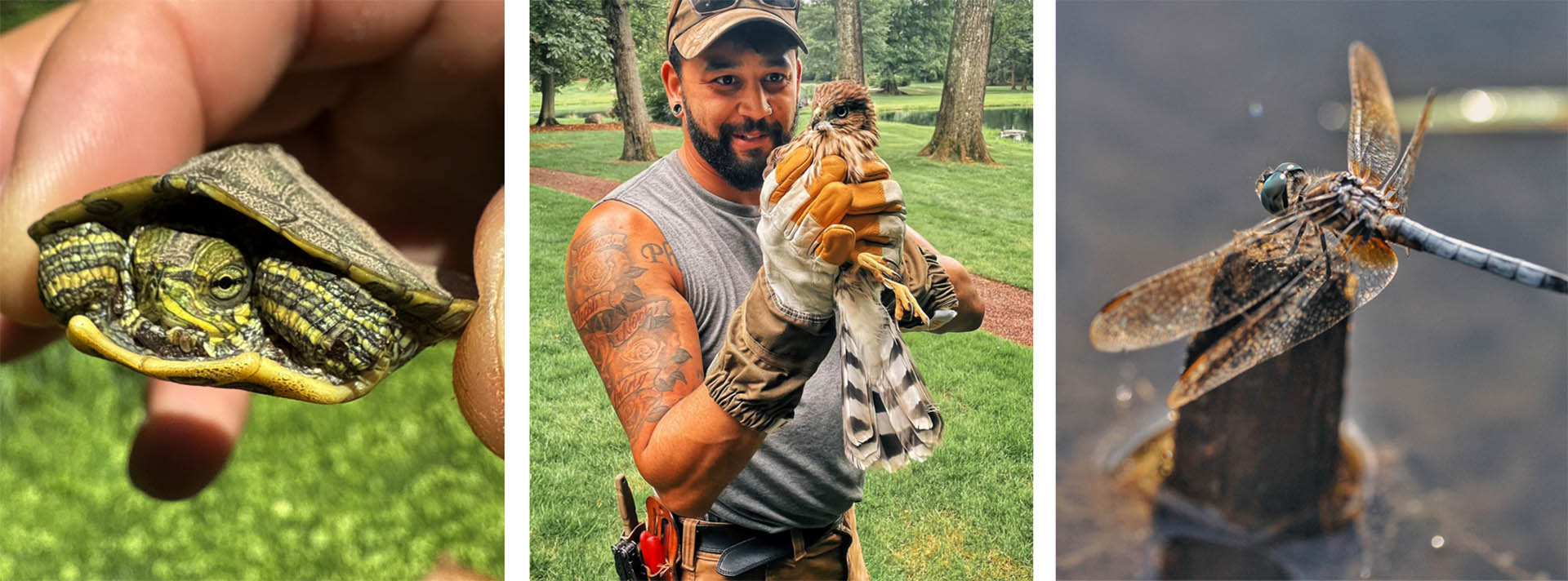
The banks surrounding our brooks, streams, and ponds foster an abundant diversity of plant species. These riparian zones also create a healthy habitat for a wide range of creatures who rely on these areas for food, shelter, and breeding space. From our ducks to frogs, turtles, insects, and a range of other birds and aquatic species, these areas are vibrantly teeming with life.
As part of our land stewardship practices, we work to ensure that these important areas are preserved and cared for, as they also serve significant roles in erosion control, water quality, and the overall lush conditions experiences on our estate.
A Continuity Of Care
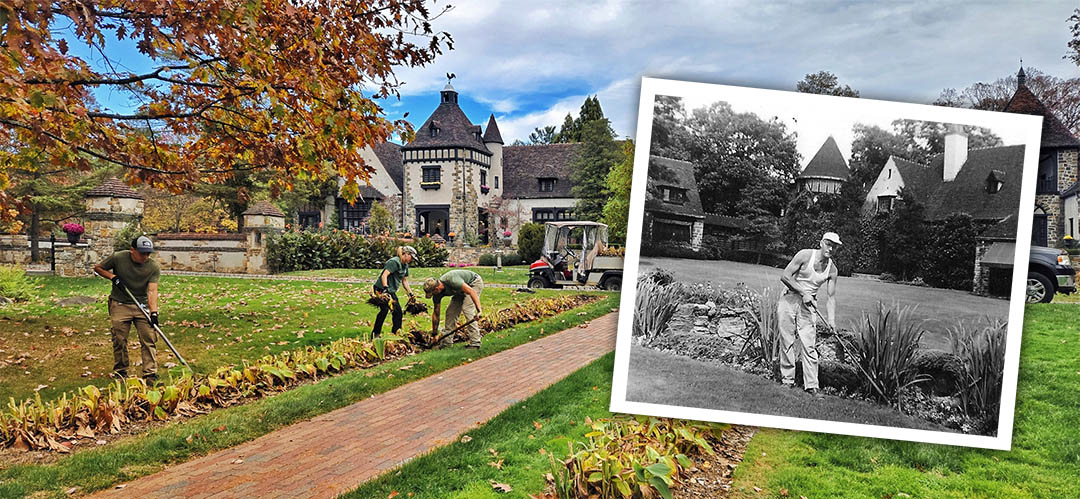
Own own dedicated team of groundskeepers also maintain the countless decorative species of plant life displayed throughout the estate — both inside and out. Everything from shrubbery to seasonal plantings are tendeded to by our own people. Great time and expense foes into making sure that every corner of our estate is cared for, kept in good health, and well-kempt in appearance to continue an aesthetic that is true to the landscape’s original design of embracing the natural surroundings.
A Census Of Trees
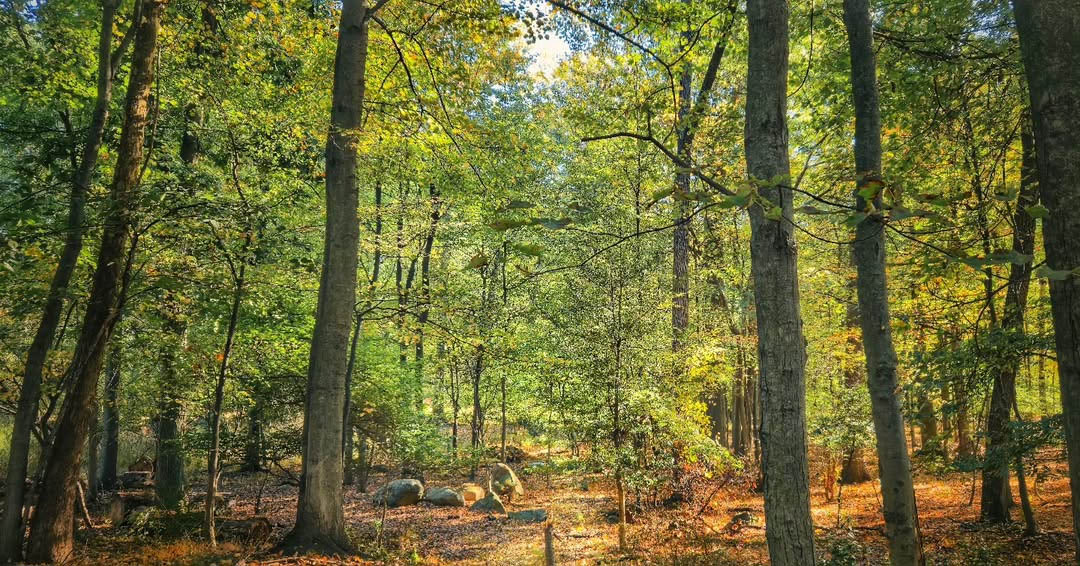
To better understand and manage our estate’s woodlands that comprise this unique oasis in the center of our highly-developed northern New Jersey area, we are in process of an ongoing census of trees to identify and catalogue our collection. Through our inventory and observations, we are better able to identify issues with specific trees, spot larger trends, assign actions for care, and plan for the best type and placement of new trees in the future. To-date, we have documented 84 varieties of 71 species from 34 different genus on our estate alone, with many still to be recorded.
What's In A Name?
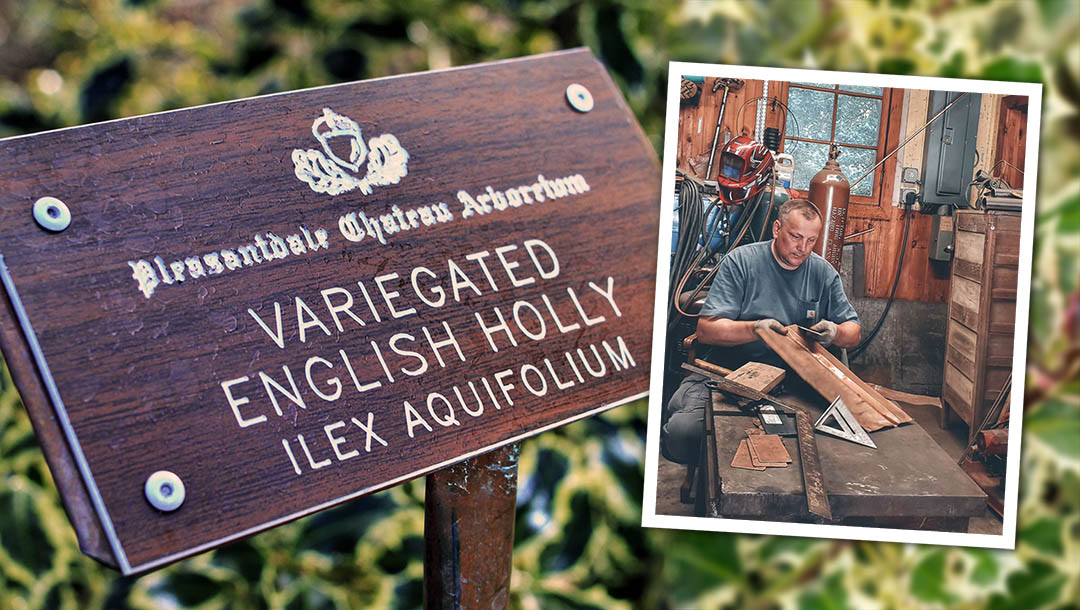
In an effort to involve visitors to our estate in the wonderful diversity of nature that exists right in our own backyard, while also incorporating an educational component,, we have undertaken a labeling initiative that has already marker over 200 individual trees with their common names, as well as their horticultural binomial nomenclature. In keeping with our holistic approach, the markers themselves are made by our own estate artisans, combining contemporary and traditional methods — both carving the placards through computer control routing as well as hand-hammering and welding the copper stands upon which they are mounted.
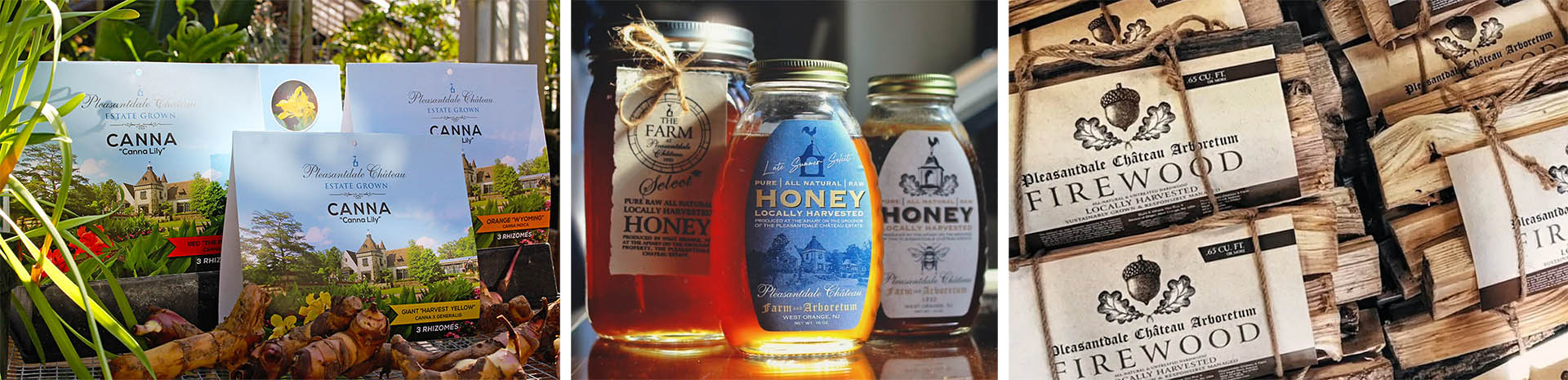
Contributing Local Value
Through our farming and woodlands management programs, the estate has been is able to offer a range of products to the community, not only sharing the fruits of our labor, but also exemplifying what can be done locally through good stewardship of the land. Among the products we have retailed are premium hardwood firewood, flowering rhizomes and bulbs, honey, as well as perishable goods made from ingredients grown on our estate.
An Homage To Nature
When the time came for the first new construction project on the estate in nearly a quarter-century, the Knowles family, current owners, undertook an extensive five-year planning process with the ultimate goal of building the “Arboretum Conservatory”.
As its name suggests, this light-filled space would be a grand reflection of the beauty of the woodlands and the natural environment in which it is set.
Incorporating elements directly sourced from our own land ensured a space that is in-tune with the serenity of the surroundings and one with great deference to the ecological and historical character of the estate.
The project employed old-growth timber preserved from trees harvested on our estate that had been felled due to damage from past storms including Hurricane Sandy. Various species of timber including red oak, white oak, pin oak, swamp oak, hickory, and more were converted into dimensional lumber through a partnership with a local mill just a few miles away.
Other wood materials were the product of adaptive reuse, including beautiful southern yellow pine reclaimed from the floor and ceiling boards of the previous structure. Additional materials were secured from salvage of an the renovation of an historical building in the area.
Many of the other finer details are the result of the talents of local artisans and our own craftsmen. Additional natural materials of fine quality sourced from further afield rounded our the project. This included clay tiles sources from from a producer in the hills of Florence, Italy who have provided materials for centuries in the area in some of Florence’s most notable site, including the roof of the marvelous Duomo, built by Brunelleschi.
Even some of the smallest details, such a diminutive decorative bells that hand from the conservatory chandeliers, were all hand-turned by a craftsmen in a small Floretine workshop.
Follow along with our estate’s land management and farming activities on Instagram.