
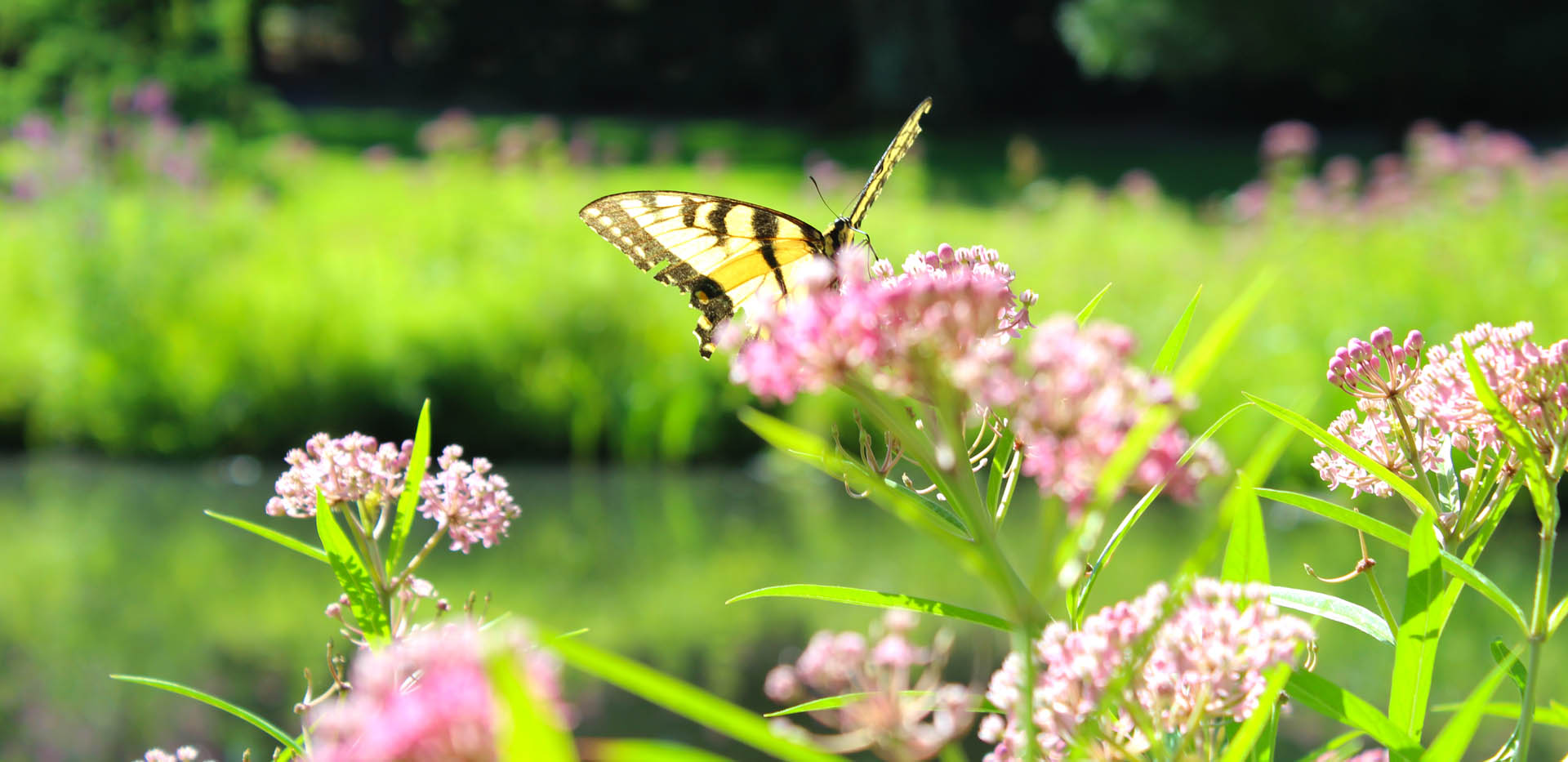
Asclepias (milkweed) planted around our ponds provide an irreplaceable resource for Monarch butterflies to perpetuate their species.
Unfortunately the loss of milkweed nationally is severely impacting the Monarch population. The milkweed also serves as a valuable nectar resource for bees and other important pollinators.
Making A Greener Estate
...In More Ways Than One
For most venues, being eco-friendly or “green” simply means efforts such as using energy efficient lightbulbs, purchasing local produce, and basic recycling practices. Pleasantdale Château, however, does all of this and much more.
As a historical property, preserving the original architecture while continually reducing our carbon footprint and reducing our energy expenditures is a grand challenge. However, through painstaking and costly efforts, we have had great successes in improving our efficiencies and lightening our footprint.
Advanced Energy Management
In a national competition organized by the Environmental Protection Agency in which we competed against 6,500 buildings, we finished #1 in our category.
The green effect of our efforts is equivalent to 132 metric tons of pollution eliminated annually for just the Chateau alone.
Additional energy efficiency and conservation efforts for other buildings on our estate have netted us an additional 61 metric tons of pollution eliminated annually. And, our “Petite Chateau” conference center is a fully Energy Star-rated building.
Efforts are constantly ongoing to improve the eco-friendliness of our estate without ever inconveniencing our guests or allowing any noticeable changes to the beauty or comfort of the Chateau.
On Home Ground(s)
Composting & Waste Diversion
Wherever possible, our estate strives to reduce waste and environmental impact through adaptive reuse, smart repurposing, and regenerative methods.
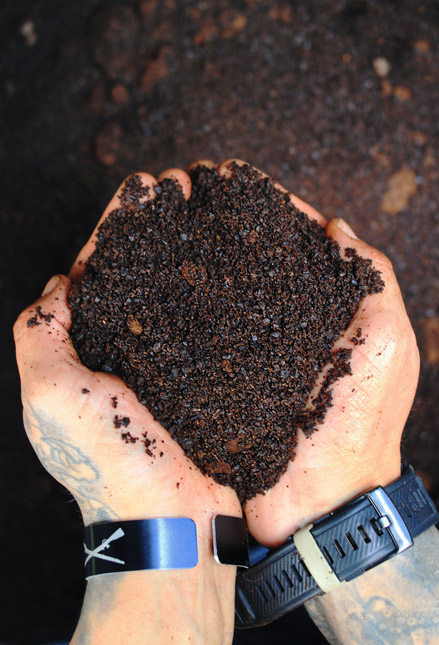
As one example, our Composting & Conservation Program saves the high-quality spent coffee and espresso grounds from our chateau’s professional banquet kitchen, enabling us to divert an average of over 1,600 pounds of coffee grounds from the landfill each year.
Doing so also helps to add nitrogen, potassium, phosphorus, and other valuable micro-nutrients to our soil, while also feeding the earth with microbes that ultimately help to improve soil structure and drainage.
Additionally, along with other safe, biodegradable materials, waste such as eggshells (from eggs produced by our own chickens) and ash (from wood harvested from our own trees that fuels our fireplaces) also get diverted from landfill and are incorporated into our compost for their own specific mineral-rich properties.
Environmentally Conscious Land Stewardship
Having a unique natural oasis preserved amongst the otherwise densely-populated northern New Jersey area, we have developed a great appreciation for the natural environment and the significance of maintaining its beauty.
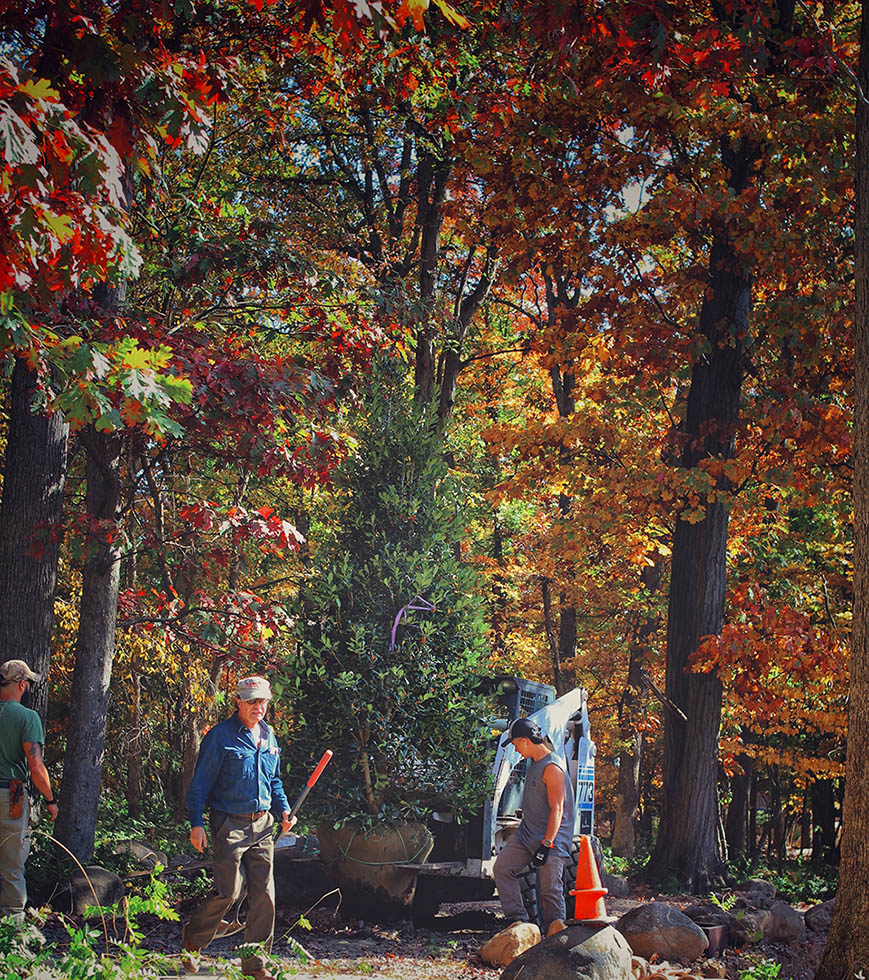
Wherever possible, our grounds-keeping and landscaping uses low-impact environmentally-conscious practices. We also maintain natural preserved woodlands on the estate filled with hundreds of old-growth trees and native shrubbery, as well as ponds and meadows. All of which contribute to healthier air and ozone as well as providing habitat for birds and other small creatures native to the area.
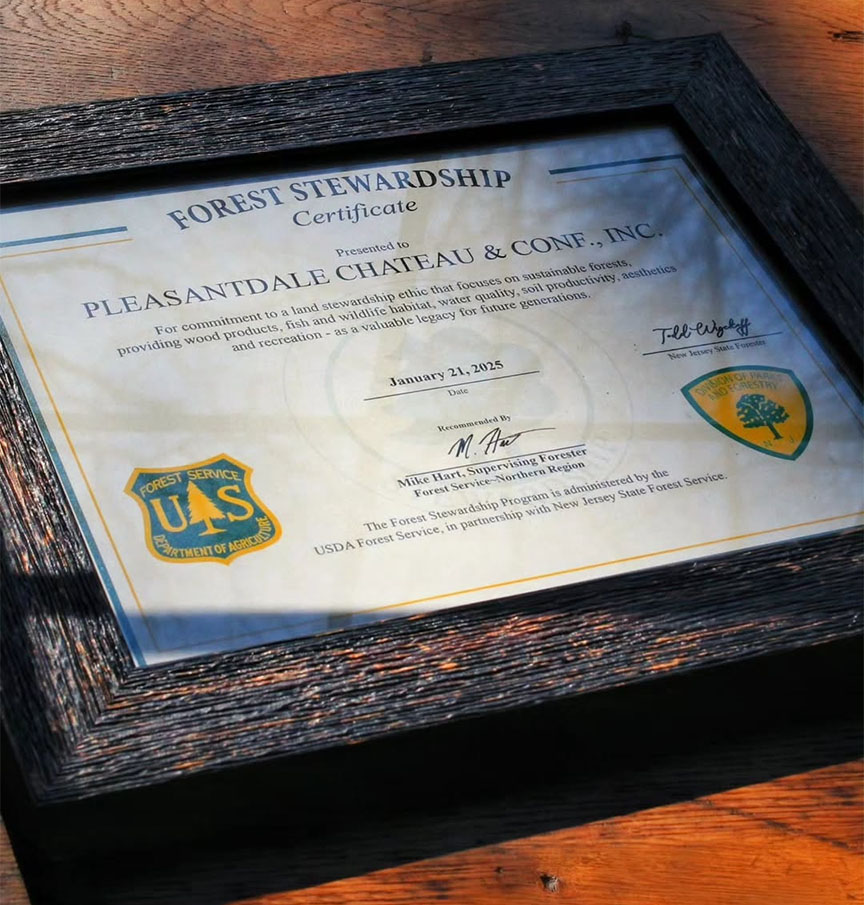
A Stewardship Forest
A Certified Wildlife Habitat
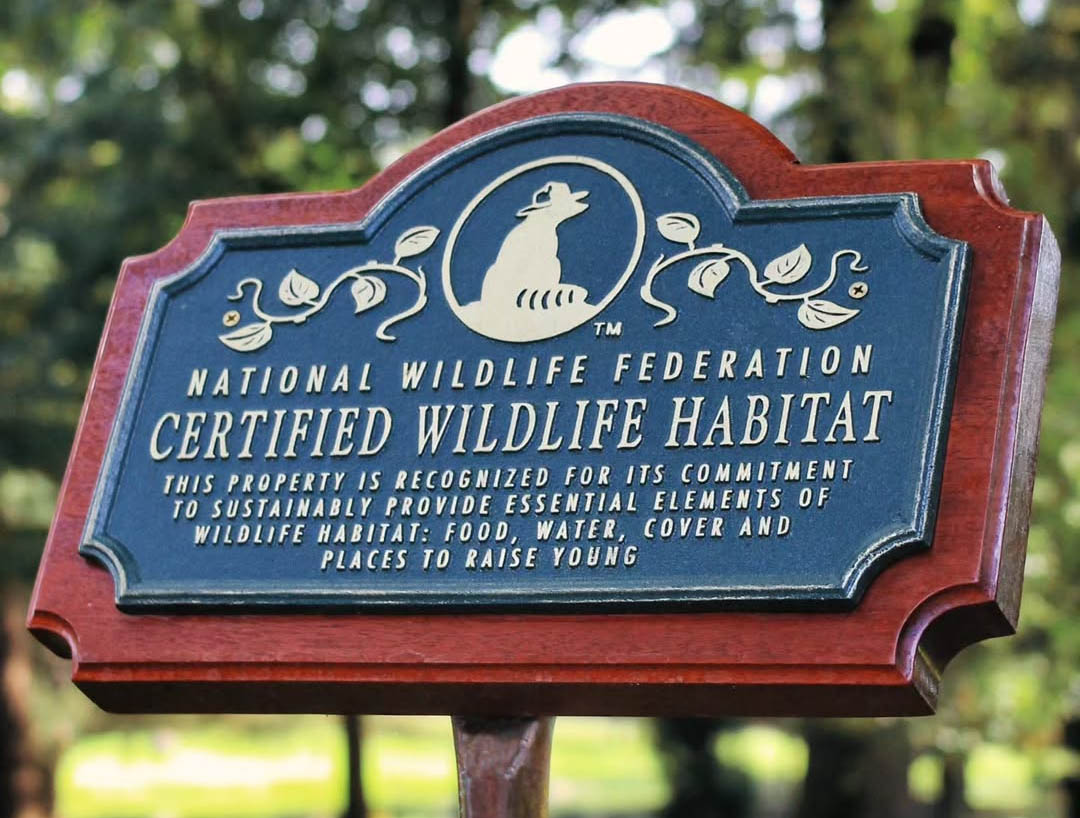
Among other certifications, our estate is also listed as a Certified Wildlife Habitat® by the National Wildlife Federation, meeting its requirements for land conservation, natural land and water habitats, and sustainable practices.
GROWING OUR OWN FOOD
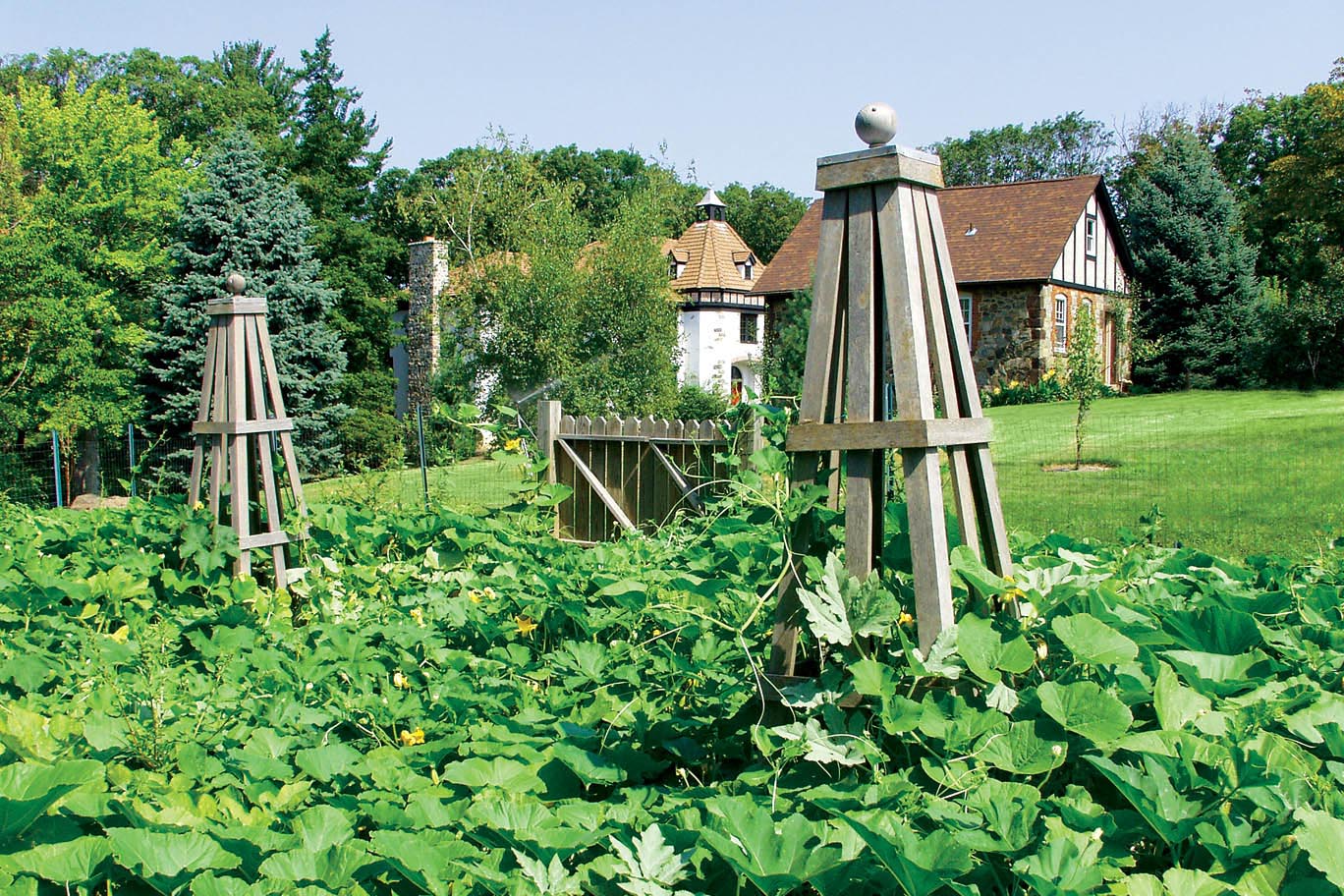
We also operate a fully-functioning farm on our estate that provides an abundance of naturally-grown, hyper-local, fresh ingredients for our kitchen, not just providing a healthy, pesticide-free supply of food but also reducing the carbon impact of the food delivery infrastructure, eliminating the need for boxing and shipping thousands of pounds of produce each year.
Through our farm, we also generate fresh unpasteurized eggs from our laying hens, honey from our apiary, and fruit from our orchard.

GOING ABOVE & BEE-YOND
As reported by the UN Environmental Program, bees are vital to the ecosystem and human survival, acting as primary pollinators for over 150 commercial crops and three-fourths of the world’s flowering plants. They are responsible for one in every three bites of food we eat, supporting global food security, biodiversity, and contributing over $577 billion annually to the global economy.
With an awareness of the global challenge that these important pollinators are face with loss of habitat, the overuse chemical pesticides, disease, invasive plant species, and more, we are working to do our small part to help support the abundance of bee populations locally.
As part of our farming initiatives, our estate bee-keeper maintains multiple hives on our grounds with specifically managed colonies.
Beyond this, we intentionally plant native flora that are pollinator friendly sources of nectar and pollen for the of wild bee species that inhabit the area.
Pictured: Seedlings sprouting in one of our greenhouses on the grounds of our estate, destined to produce vegetables for our kitchen.