
7 Tips to Maximize Networking at Your Corporate Event
Corporate events bring professionals together under one roof, yet meaningful networking requires more than sharing the same space. Without thoughtful planning, conversations remain brief, familiar groups form quickly, and valuable connections never happen.
Successful networking begins during the planning phase with clear objectives, intentional programming, and a well-designed environment that supports productive introductions and engaging discussion.
When these elements come together, networking becomes a natural part of the experience rather than a scheduled activity. The right structure can spark engaging conversations that lead to partnerships, collaboration, and lasting business relationships.
Here are several ways to create an environment that encourages natural connection without feeling forced.
1. Set a Clear Networking Objective Before the Event
Clear networking goals are essential to ensure networking at your event is a success. Without a defined objective, conversations often remain brief, unfocused, and don’t add the value they should.
Before event planning begins, the networking goal should be clear.
Some examples of objectives include:
- Strengthen existing client relationships through face-to-face interaction and deeper conversation
- Generate qualified business leads within a targeted industry or market segment
- Introduce prospective clients to company leadership or subject matter experts
- Build strategic partnerships with complementary businesses or vendors
- Support business development conversations already in progress
- Encourage collaboration among industry peers around shared challenges or opportunities
- Facilitate internal relationship building across departments or offices
- Highlight thought leadership and connect attendees with experts in a specific field
- Expand brand visibility within a niche professional community
- Create opportunities for mentorship or talent recruitment
2. Build Networking into the Agenda
Once you understand your objective, you can shape and refine the guest list to encourage relevant introductions and more productive conversations. Programming can then align with networking priorities through thoughtful agenda pacing, seating arrangements, and discussion formats.
Some important things to consider:
- Dedicated networking windows throughout the event: Conversation breaks between sessions help maintain energy and encourage new introductions.
- Structured interaction formats: Small group discussions, hosted tables, and breakout conversations support engagement without pressure.
- A balanced schedule: Time for informal conversation allows relationships to develop naturally.
- Networking during natural transitions: Arrival receptions, meal periods, and closing gatherings create comfortable opportunities for connection.
3. Design the Space for Genuine Connection
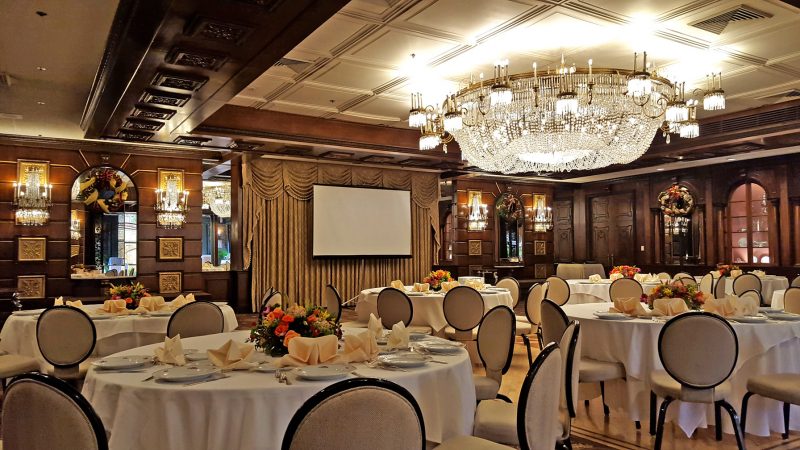
Physical layout has a strong influence on how comfortable guests feel engaging in conversation. When the layout is designed thoughtfully, the event supports natural movement and encourages small group interaction throughout the venue.
Create multiple conversation areas: Lounge seating clusters and cocktail tables support relaxed, small group discussions.
- Maintain clear pathways: Open walkways prevent congestion and allow guests to move easily between groups.
- Manage lighting and sound levels: Comfortable lighting and moderate background sound support clear conversation.
- Distribute gathering spaces throughout the venue: Multiple networking zones prevent crowding and encourage guests to circulate.
4. Create Engaging Name Badges
Name badges provide one of the simplest tools for encouraging conversation. Clear, well-designed badges help guests quickly understand what company someone works for and their role.
- Use large, easy to read names
- Include company and role information
- Add a simple conversation cue: Industry focus, area of expertise, or professional interest can help guests identify shared topics.
- Prioritize clean, readable design
5. Assign Hosts to Specific Roles
Designated hosts help create a welcoming environment and encourage interaction across the guest list. A good host helps break the ice, making it easier for guests to start conversations and connect with people they might not have met otherwise.
- Welcome hosts at arrival: Early greetings to help guests feel comfortable and set a warm tone for the event.
- Conversation hosts during networking periods: Designated connectors for introducing guests with shared interests or complementary roles.
- Table hosts during meals: Guided discussion to ensure balanced participation while also encouraging thoughtful conversation.
- Leadership presence throughout the event: Executive ambassadors circulating through the room to create broader engagement opportunities.
6. Offer Conversation Starters Without Gimmicks
Thoughtful prompts facilitate moving quick introductions into meaningful professional discussions. Simple cues placed on cocktail tables, displayed in networking areas, or introduced during small group conversations encourage natural dialogue.
Example prompts may include:
- What industry trends are currently shaping your work?
- What challenge is currently receiving the most attention within your organization?
- What type of partnership could bring the most value this year?
- What recent development within your field sparked the most discussion?
- What professional goal is currently guiding your team?
7. Plan Follow-up Infrastructure
Successful networking doesn’t end when the event finishes. A simple follow-up plan helps attendees stay in touch and keep the conversation going after the event.
- Provide simple contact exchange tools: Digital directories or QR based contact sharing makes detail exchange easy.
- Send a post event recap: Follow-up emails work to highlight key moments from the event and encourage continued communication.
- Offer access to an attendee list: A shared directory allows guests to reconnect with contacts they may have met briefly.
- Encourage timely follow-up: A quick message or meeting request shortly after the event helps maintain momentum from initial conversations.
Creating Corporate Events Where Connections Happen Naturally
The most successful corporate events don’t force networking. They simply create the right atmosphere for conversation to unfold.
When guests feel comfortable in the space, introductions happen more easily, discussions last longer, and connections feel genuine rather than transactional. Thoughtful layouts, inviting food stations, and natural gathering areas help conversations begin without effort.
At Pleasantdale Chateau, our setting was designed for exactly that kind of experience. From elegant indoor spaces to scenic outdoor grounds, every detail supports events where professionals can meet, talk, and build meaningful relationships.
To learn more about hosting your next corporate event at Pleasantdale Chateau, contact our team at (973) 731-5600.