
7 Simple Wedding Seating Chart Hacks Every 2026 Wedding Needs
One of the most unexpectedly challenging parts of wedding planning involves creating a seating chart, especially if there is a large guest count or complex family dynamics to contend with.
With wedding seating chart planning, each decision shapes how guests connect, how the room feels, and how smoothly the reception unfolds. Luckily, with a few thoughtful strategies, you can make managing the process much easier. From table organization to helpful digital tools, these wedding seating chart ideas will help keep everything organized from start to finish.
1) Review Venue Layout and Seating Flow
Before assigning seats to your guests, take time to understand the layout of the space. Request a seating floor plan from the wedding venue, which outlines table sizes, capacity, and how the room naturally flows. Having this on hand makes it easier to visualize where guests will sit and how movement will happen throughout the evening.
Think about key areas and the types of guests who would enjoy being near them:
- Dance floor for guests who enjoy music and a more energetic atmosphere
- Entrances for guests who may prefer easy access and less foot traffic
- Head table for close family and wedding party members
Guests who enjoy a lively atmosphere may prefer being closer to the action, while others may appreciate quieter areas.
2) Establish Guest List and Seating Priorities
Once the venue layout and flow feel clear, the next step involves arranging guest seating. A well-organized seating chart begins with a clearly defined guest list.
Final RSVP counts guide many decisions, but understanding relationships, shared interests, and any dynamics that may need extra attention remains just as important.
With confirmed responses in place, guest count becomes easier to manage, allowing for thoughtful table assignments and a more balanced overall layout.
3) Apply Seating Etiquette and VIP Placement
Wedding reception seating should reflect the relationships that matter most during the celebration. Immediate family and members of the wedding party should be seated in prominent locations, often near the head table or within view of the couple. This placement creates a natural focal point and keeps key guests closely connected to the central experience.
Close friends should also receive priority placement, as these guests often play an important role throughout the evening. From there, the rest of the seating chart becomes easier to organize.
Note: Balance across both sides of the family deserves careful attention, especially when working with larger or more complex dynamics.
4) Group Guests with Comfort and Dynamics in Mind
Once you’ve handled priority placement, you can move on to the rest of your attendees. Start by creating groups of guests who know each other or are likely to connect naturally, while keeping in mind that guests and their plus-ones should always be seated together.
A mix of familiar faces helps conversations flow without feeling forced, especially for guests who may not know many others at the wedding.
Common ways to group guests include:
- High school or hometown friends
- College or university groups
- Work friends or professional circles
- Family by branch or generation
- Guests within a similar age range
- Singles mixed into broader groups rather than seated together
It’s also important to be mindful of any sensitive dynamics. Keeping certain guests at separate tables when needed can help avoid unnecessary tension and allow everyone to relax.
5) Build and Organize the Seating Chart
Now that key guests and groups are clear, you can begin building the seating chart in a way that stays easy to adjust.
Many couples find it helpful to use digital tools or a simple layout that allows names to be moved around quickly. This saves time and avoids having to redo the entire chart with every change.
Digital Seating Chart Tools:
Digital tools can make wedding seat chart planning much faster, especially when changes come up late in planning. Many platforms allow you to drag and drop guests, test different table setups, and keep everything organized in one place.
A few popular options couples often use include:
- Zola or WeddingWire for all-in-one planning with guest lists and seating in one place
- Canva for a clean, visual layout if your guest list is already finalized
- Dedicated seating tools like Seatify for more flexibility and easier rearranging
6) Coordinate with Vendors and Prepare for Adjustments
After the seating chart has started to take shape, coordination with vendors is the next step. Share the final layout with the venue, catering team, and planner to ensure table numbers, meal selections, and any dietary notes align with service. This step helps avoid confusion and keeps everything running smoothly once guests are seated.
It’s also important to plan for last-minute changes. A few unexpected adjustments are common, whether due to guest cancellations or additions. Keeping an updated version of the seating chart on hand, along with a small number of extra place cards, allows for quick changes without disrupting the flow of the evening or turning into a disaster.
7) Have a Clear Seating Chart on the Day
When you have finalized the seating chart, focus can shift to how it will be presented on the day of the wedding. A clear, well-placed display helps guests find their seats quickly and keeps the reception entrance running smoothly.
Small details here can make a noticeable difference in how easily everything flows:
- Organize names alphabetically so guests can locate their table with ease
- Use large, easy-to-read fonts to avoid crowding and confusion
- Place the display in a well-lit area near the reception entrance
- Create space between sections to prevent bottlenecks
- Match the display design to the overall wedding décor for a cohesive look
- Incorporate a QR code that links to a digital seating chart for quick access
- Use a digital display or tablet for searchable seating assignments
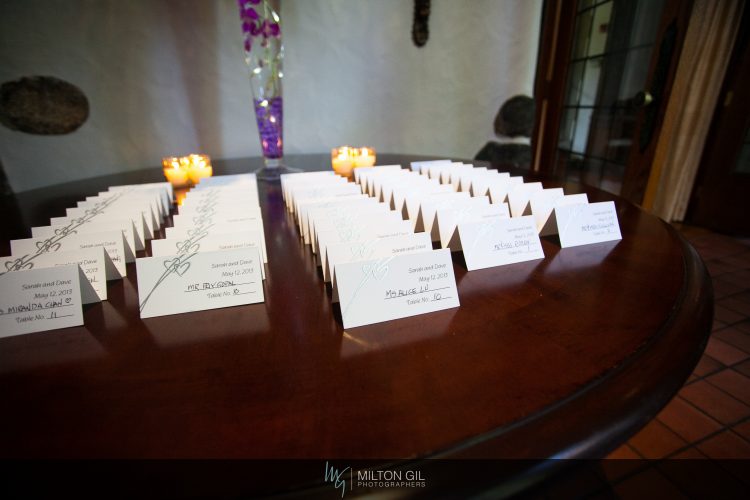
- Consider escort cards for a more interactive and flexible option
- Keep a printed backup on hand in case of last-minute changes
Final Thoughts on Wedding Chart Seating Hacks
Creating a seating chart takes planning, but a clear approach keeps the process simple and organized. From early decisions to day-of setup, each step helps the reception run more smoothly and ensures guests feel comfortable from the moment they arrive.
Pleasantdale Chateau offers a refined setting where every detail, from layout to guest experience, is carefully considered. To learn more about hosting your wedding at Pleasantdale Chateau, call (973) 731-5600 or connect with our team online.